

Beyond a Single Lens: Why I Developed the Kaleidoscope Trauma Framework™
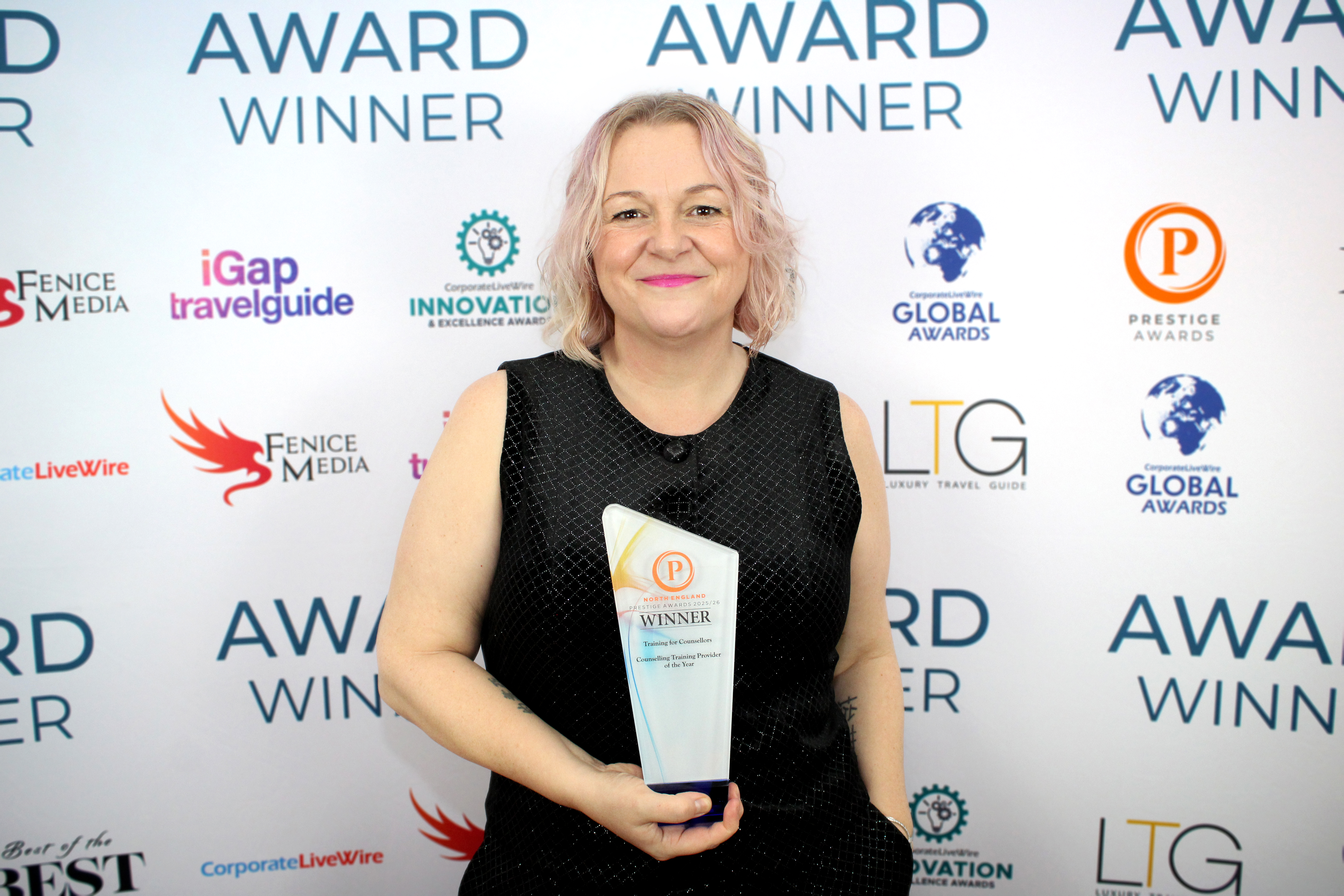
Bringing clinical knowledge, professional experience and lived experience together in trauma-skilled practice
Throughout my work as a psychotherapist, clinical supervisor and counselling educator, I've become increasingly interested in how we understand trauma, particularly when someone's experiences don't fit neatly within a single theoretical explanation. My lived experiences through trauma, neurodivergence, disability and identity have also shaped my understanding of how complex and interconnected our experiences can be. Both professional & personal experience has given me another perspective on how easily aspects of someone's experience can be missed or misunderstood when considered in isolation in the therapeutic space.
Alongside my clinical work, this has reinforced something I consider fundamental to therapeutic practice: we cannot always understand one aspect of a person's experience without considering the others. Over the last few years in practice, I became increasingly aware of how our professional training shapes the way we see and understand the people we work alongside.
Our theoretical orientations offer valuable ways of understanding human experience. However, they can also influence what we notice, what we prioritise and, perhaps most importantly, what we might overlook.
This combination of professional knowledge, clinical observations and lived experience became central to my reasoning for developing the Kaleidoscope Trauma Framework™.

Why a Kaleidoscope?
When we turn a kaleidoscope, the pieces remain the same, but the picture changes depending on how we look at them.
I see something similar within therapeutic practice. An experience understood through a relational lens may look different when we also consider sensory processing, neurodivergence, nervous-system responses, chronic illness, identity or wider social and systemic influences. One perspective does not necessarily invalidate another. Each may contribute something important to our understanding.
I wanted to develop a framework that encouraged practitioners to remain curious rather than feel compelled to arrive at a single explanation. The intention is not to identify which lens is correct, but to consider what becomes visible when we look through more than one.
Why trauma-skilled practice matters
Being trauma-informed provides an essential foundation, but developing trauma-skilled practice asks us to consider how that knowledge influences our clinical judgement, formulation, therapeutic relationships and ethical decision-making.
For example, when someone struggles to engage therapeutically, are we observing avoidance, nervous system overwhelm, sensory distress, fatigue, a relational response, or perhaps an interaction between several experiences? My professional and lived experiences have highlighted the importance of not automatically interpreting difference, distress or difficulty through a trauma lens alone.
Not everything is trauma, but trauma can intersect with almost every aspect of someone's experience.
Recognising these distinctions matters, particularly when working with neurodivergent and disabled clients whose experiences may already have been misunderstood or pathologised.
The practitioner is part of the picture
An important aspect of the framework is what I call the Looking Glass Lens. We don't enter the therapeutic relationship without our own perspectives. Our training, identities, experiences, assumptions and preferred modalities all influence how we interpret what we encounter. My own lived experiences have informed my practice, but they have also reinforced the importance of recognising that my understanding is not universal.
For me, trauma-skilled practice requires us to remain reflective about ourselves as practitioners, recognising both the value and limitations of the perspectives we bring. This isn't about abandoning our theoretical orientations. It's about developing the flexibility to consider what else might be present.
Bringing the framework into training
I developed the Advanced Certificate in Therapeutic Trauma Practice to create a space where practitioners can explore these ideas and consider their relevance to their own therapeutic work. Across seven live online training days, we explore trauma through interconnected embodied, relational, neurodivergent, whole-self and practitioner lenses.
The programme combines theoretical learning, reflective activities and facilitated case discussions, encouraging participants to develop their understanding through shared learning and practical application. I also wanted the training environment itself to reflect the values underpinning the framework: relational, accessible, neuro-affirming and respectful of different ways of learning, processing and participating.
The intention is not to teach another trauma-processing modality, but to support practitioners in developing greater curiosity, confidence and clinical judgement when working with complexity.
Ultimately, the framework reflects a principle that continues to shape my therapeutic practice: “Trauma doesn't define the person, just as our modality doesn't define the whole of our therapeutic practice.”
Join the 2027/28 cohort
Following the commencement of our current programme, bookings are now open for the next Advanced Certificate in Therapeutic Trauma Practice.
September 2027 – March 2028
- Seven live online training days
- 9.30am–3.30pm
- Small, relational and neuro-affirming learning environment
- Reflective activities and facilitated case discussions
- Early Bird fee: £895 (usual fee £995)
- £100 deposit with interest-free payment options
Find out more and book: CPD | Training Counsellors
Linsey Bailey-Rowles is an accredited psychotherapist, EMDR practitioner, qualified clinical supervisor and counselling educator. She is the developer of the Kaleidoscope Trauma Framework™ and brings professional knowledge alongside her lived experience as a neurodivergent, disabled and NeuroQueer practitioner.
Kaleidoscope Trauma Framework™ © Linsey Bailey-Rowles


Comments